Spring Allergies in 2026: Why Symptoms Are Worse and How to Find Relief
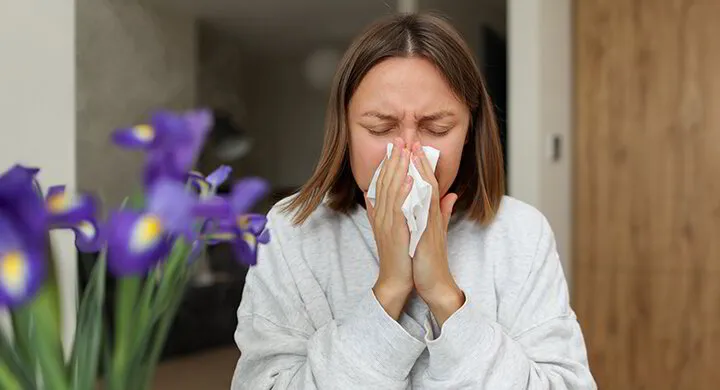
Each year, as winter fades and temperatures rise across the United States, millions of people experience the familiar symptoms of spring allergies, sneezing, congestion, itchy eyes, fatigue, and sinus pressure. However, in 2026, many individuals are noticing that their symptoms feel more intense, last longer, and are harder to manage.
Searches for “why are allergies worse this year,” “spring allergy relief USA,” and “natural allergy treatment” are at an all-time high. The reason? A combination of environmental changes, increased pollen levels, and heightened immune system sensitivity.
Understanding why allergies are worsening and how to manage them effectively, can help you regain control of your health this season.
What Causes Spring Allergies?
Spring allergies, also known as seasonal allergic rhinitis, are triggered when the immune system overreacts to airborne allergens such as pollen. Trees, grasses, and plants release pollen into the air as part of their reproductive cycle, and these particles can easily enter the body through breathing.
When the immune system identifies pollen as a threat, it releases chemicals like histamine. This reaction leads to symptoms such as sneezing, nasal congestion, itchy eyes, and inflammation. For many Americans, these symptoms can significantly affect daily life, energy levels, and overall well-being.
Why Allergies Are Worse in 2026
Several factors are contributing to the increase in allergy severity across the United States. Climate changes have extended pollen seasons, allowing plants to release allergens for longer periods. Warmer temperatures and higher carbon dioxide levels also contribute to increased pollen production.
In addition, modern lifestyles may play a role. Increased exposure to indoor pollutants, stress, and reduced immune resilience can make the body more reactive to allergens.
Urban environments can worsen symptoms as pollution interacts with pollen, making it more irritating to the respiratory system. As a result, many people are experiencing stronger and more persistent allergic reactions.
The Link Between Inflammation and Allergy Symptoms
Inflammation is a key factor in how the body responds to allergens. When the immune system is triggered, it creates an inflammatory response that affects the sinuses, airways, and eyes.
This inflammation can lead to congestion, pressure, fatigue, and even headaches. For individuals who already have chronic inflammation, allergy symptoms can feel more severe and last longer. Reducing inflammation is an important part of managing allergies effectively. By supporting the body’s natural balance, it is possible to minimize symptoms and improve overall comfort.
Common Symptoms of Spring Allergies
Spring allergies can present in different ways depending on the individual. While some people experience mild discomfort, others may deal with more intense symptoms.
Typical symptoms include sneezing, runny or blocked nose, itchy or watery eyes, sinus pressure, fatigue, and difficulty concentrating. In some cases, allergies can also trigger coughing or worsen asthma symptoms. Recognizing these symptoms early can help you take action before they become more severe.
Natural Ways to Find Allergy Relief
Many people are looking for natural allergy relief options to avoid relying solely on medication. Supporting the body through lifestyle changes can make a significant difference in how symptoms are managed.
- Stay hydrated to help flush out allergens
- Keep windows closed during high pollen days
- Shower and change clothes after being outdoors
- Use air purifiers to reduce indoor allergens
- Maintain a clean living environment
- Support immune health with a balanced diet
These simple steps can help reduce exposure and improve overall resilience during allergy season.
Supporting Your Immune System During Allergy Season
A strong immune system plays a key role in how the body responds to allergens. When the immune system is balanced, it is less likely to overreact to environmental triggers. Proper nutrition, hydration, and sleep all contribute to immune health. Foods rich in vitamins and antioxidants can support the body’s natural defenses. Stress management is also important. Chronic stress can weaken the immune system and increase inflammation, making allergy symptoms more difficult to manage.
For individuals searching for “how to boost immunity during allergy season,” a holistic approach can provide long-term benefits.
When to Seek Professional Care
While many people manage allergies on their own, there are times when professional care is necessary. Persistent symptoms, severe congestion, or interference with daily activities may require additional support.
Healthcare providers can offer personalized recommendations and treatments to help manage symptoms effectively. This may include therapies that address inflammation, improve respiratory function, and support overall health. Seeking care early can prevent symptoms from becoming more severe and improve quality of life during allergy season.
The Role of Holistic and Regenerative Therapies
In 2026, more individuals are exploring holistic and non-invasive approaches to allergy relief. These methods focus on improving the body’s ability to respond to environmental triggers rather than just suppressing symptoms.
Therapies that reduce inflammation and support the nervous system can help improve overall resilience. By addressing the underlying causes of immune imbalance, these approaches provide a more comprehensive solution. This trend reflects a growing interest in natural health solutions in the USA that promote long-term wellness.
Preparing for Future Allergy Seasons
Managing allergies effectively is not just about treating symptoms—it’s about preparing the body for future seasons. Building healthy habits throughout the year can reduce the severity of allergic reactions over time.
Regular physical activity, proper nutrition, and maintaining a clean environment all contribute to better outcomes. Staying informed about pollen levels and taking preventative measures can also help minimize exposure. By taking a proactive approach, you can reduce the impact of allergies and enjoy the spring season more comfortably.
A Healthier Approach to Seasonal Allergies
Spring should be a time of renewal and enjoyment, not discomfort and frustration. Understanding the causes of allergies and taking steps to manage them can make a significant difference in how you feel.
With the right combination of lifestyle changes and professional support, it is possible to reduce symptoms and improve overall well-being.
Find Relief and Breathe Easier This Spring
If spring allergies are affecting your daily life, you don’t have to manage them alone. At True Health Chiropractic in Livonia MI, we offer personalized care designed to help reduce inflammation, support your immune system, and improve your overall well-being.
Our approach focuses on natural, effective solutions for allergy relief, helping you feel better without relying solely on medication.
Schedule your consultation or book a session at True Health Chiropractic in Livonia MI today and take the first step toward lasting relief so you can enjoy the season with comfort and ease.